
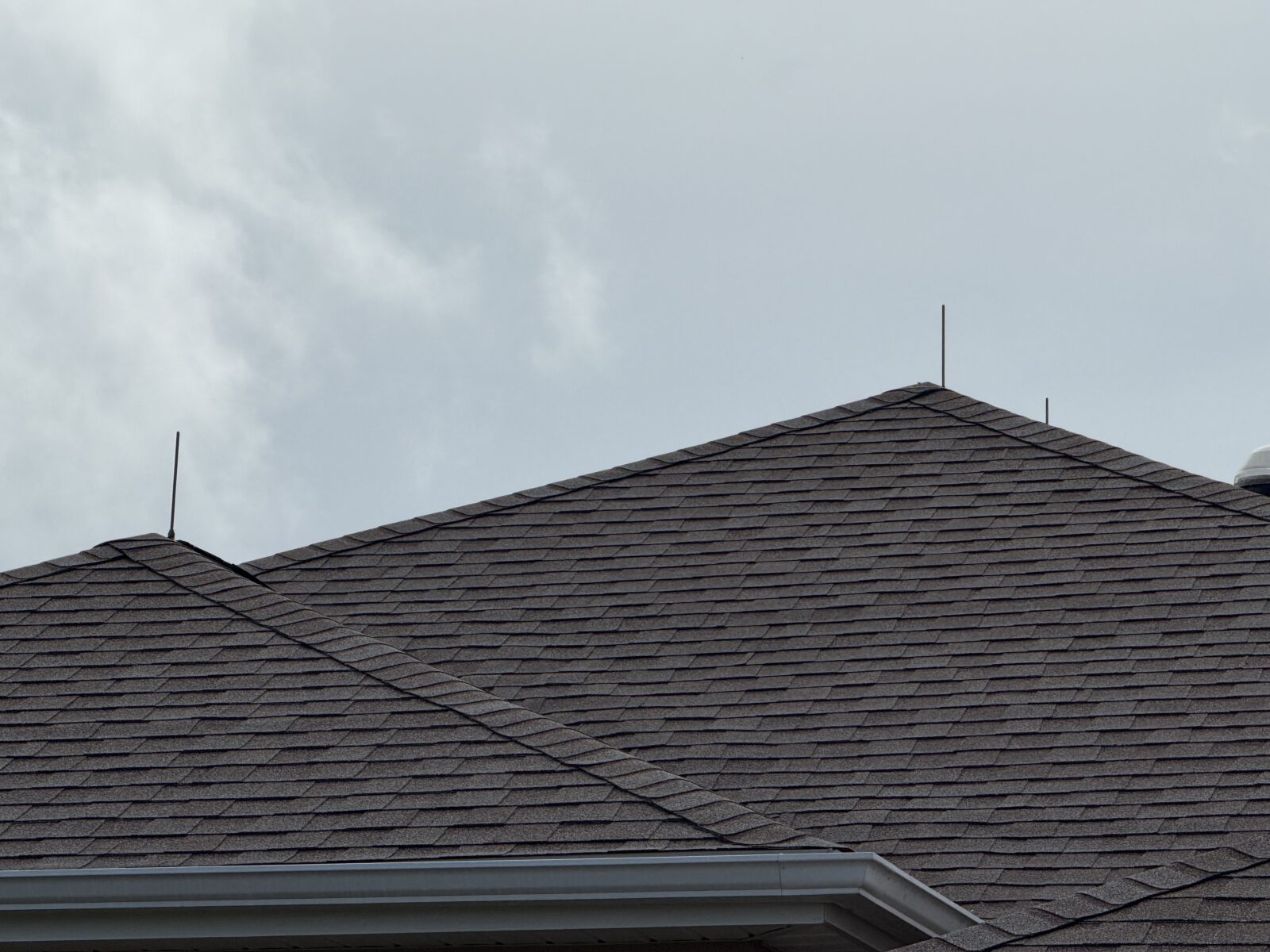
If you live in The Villages—a community in an area with one of the highest lightning strike densities in the U.S.—a well-installed lightning protection system can be a smart, potentially cost-saving investment. For roughly $1,000 to $2,500, you can dramatically reduce the risk of structural damage, electrical surges, and related hazards. Plus, insurance incentives may offset part of the cost when you go with a UL-/LPI-certified installer.
Striking Facts for Florida Homeowners
- Florida’s Lightning Profile: With an average of 1.2 million lightning strikes every year, Florida experiences more lightning than any other U.S. state,
- Fatalities: The state averages around 7 lightning-related deaths per year.
- Flash Density: The area near The Villages had recorded nearly 852,000 strikes in one recent year alone, marking it as one of the most active regions in the U.S.
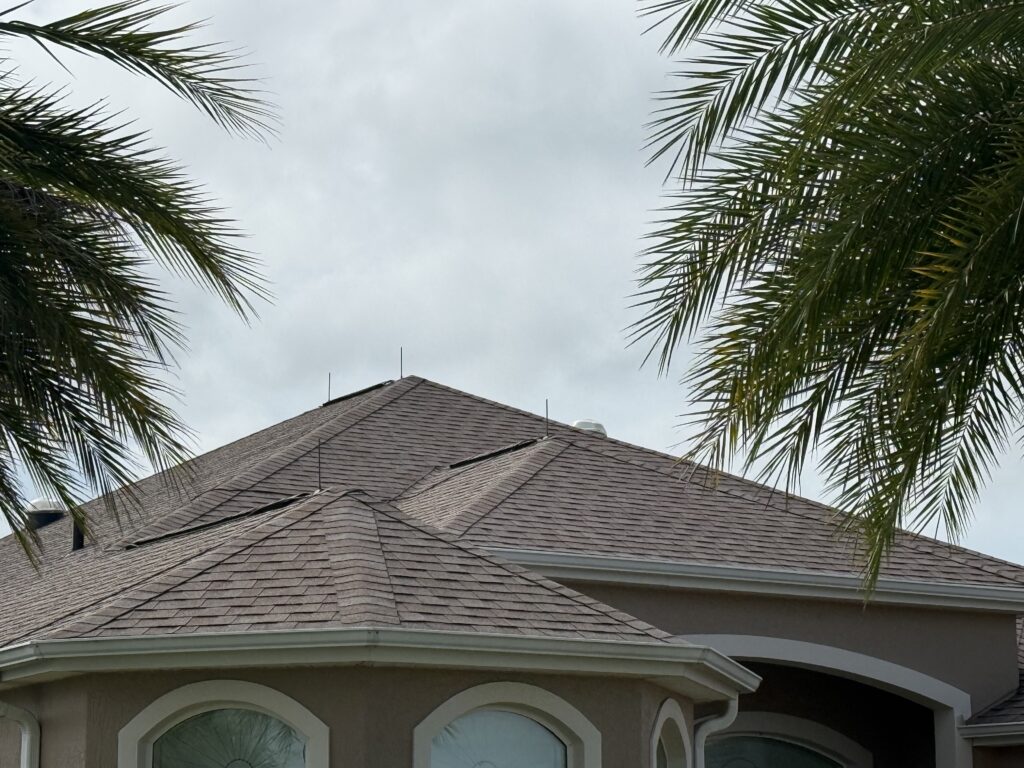
What Lightning Rods Do—And Why It Matters
A lightning protection system typically includes:
- Air terminals (lightning rods) placed on the roof
- Conductors that route the energy safely downward
- Grounding to dissipate the strike into the earth
- Surge protection devices, guarding your home’s electrical system.
Instead of striking your roof directly, lightning is channeled through these rods and down into the ground—helping to prevent structural damage, fires, and electrical surges.
Estimated Local Range for The Villages
Can range between $1,000 to $2,500, with most homeowners likely spending around $1,100–$1,600 for a complete and professionally installed system at time of our research.
Effectiveness: Worth the Investment?
Pros
- Reduces risk of structural damage and roof fires
- Protects appliances and electronics from surge damage when paired with surge arrester
- Insurance credits may be available for systems meeting UL/LPI/NFPA standards
- Offers peace of mind, especially in a high-strike zone like Central Florida
Considerations
- Systems must be correctly designed and installed. Improper setup can render them ineffective—or even hazardous.
- Regular inspections are necessary to ensure reliability over time.
- These systems don’t prevent lightning but offer a controlled path to damage mitigation.Insurance Incentive: Some systems (with surge protection) can cost $1,500–$2,500 and may qualify owners for insurance discounts—when installed by certified professionals.