
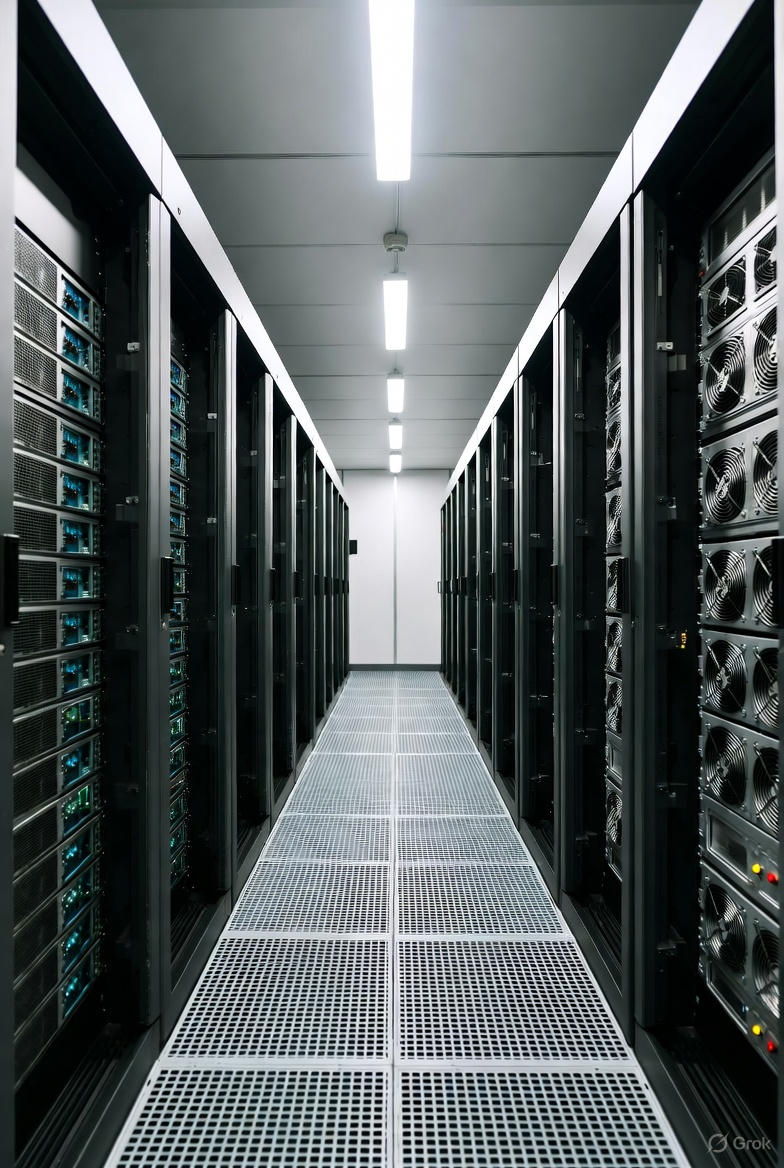
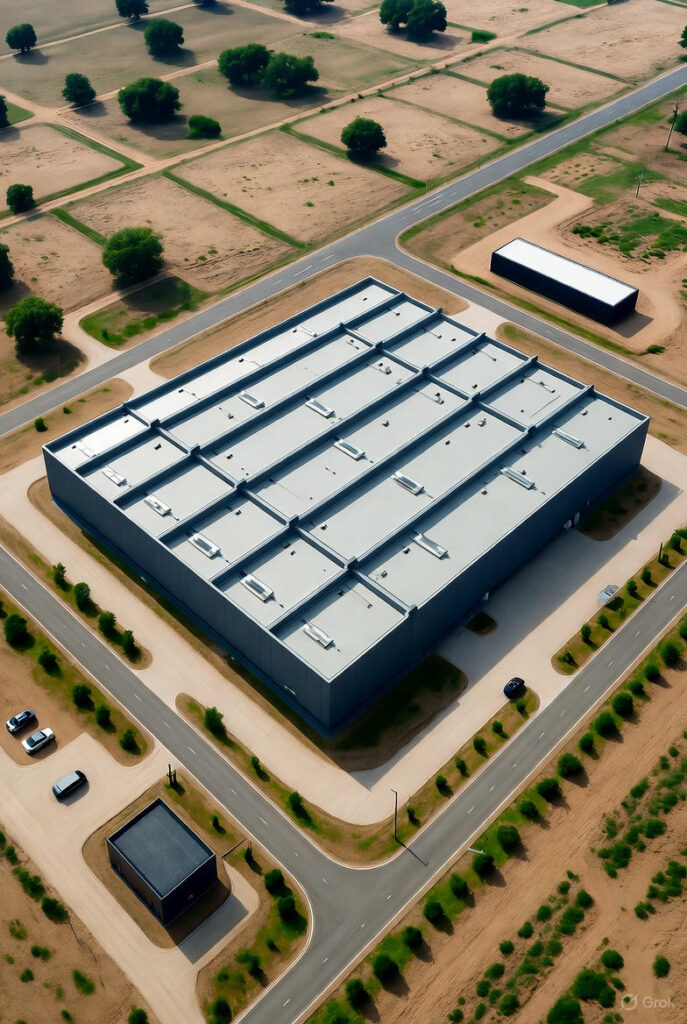
Across the United States, a quiet but powerful transformation is underway — one that isn’t marked by smokestacks or factories, but by sprawling, windowless buildings filled with racks of servers humming day and night. These are data centers, the digital heart of the modern economy, powering everything from streaming movies and online shopping to artificial intelligence and cryptocurrency.
But as these centers multiply, they’re placing unprecedented stress on something far older — the U.S. electrical grid, a complex web of power lines, substations, and transformers that, in many areas, dates back to the 1950s and 1960s. And that aging system, already strained by climate change, population growth, and extreme weather events, is showing cracks.
A System Built for a Different Era
The American grid was designed for a simpler time — one where electricity flowed one way, from centralized power plants to homes and businesses. Today, however, the grid must balance millions of dynamic energy sources, from rooftop solar panels to electric vehicles, and meet surging demand from industries that didn’t even exist when it was built.
According to the U.S. Energy Information Administration (EIA), electricity demand from data centers alone is projected to double by 2030, driven by the explosion of artificial intelligence, cloud computing, and the “always-on” digital world. In states like Virginia, Texas, and Georgia, data centers are already consuming more than 20% of local electricity capacity — and more are on the way.
The Rise of Data-Hungry Infrastructure
The typical data center uses as much power as 80,000 homes. Tech giants like Amazon, Google, and Microsoft are racing to expand capacity to support new AI tools and cloud services. Even smaller regions are seeing proposals for massive facilities that can draw hundreds of megawatts — sometimes more than the entire town around them.
These centers also require constant cooling, water, and backup systems. While companies have pledged to use renewable energy, the reality is that most still depend heavily on natural gas and coal, especially in regions without a strong renewable grid.
Old Wires, New Problems
The U.S. grid operates as three main systems — the Eastern, Western, and Texas interconnections — each aging and often overextended. The average power transformer in the U.S. is over 40 years old, and many transmission lines are approaching or exceeding their designed lifespans.
Upgrading them isn’t simple. Transmission projects can take a decade or more to approve and build due to regulatory hurdles, land use challenges, and local opposition. Meanwhile, demand is growing faster than infrastructure can keep up.
The result? Increasing blackouts, voltage drops, and grid instability. A 2024 report from the North American Electric Reliability Corporation (NERC) warned that nearly two-thirds of the U.S. population is at risk of energy shortfalls during peak demand periods.
The Renewable Dilemma
While renewable energy is expanding rapidly, it presents its own challenges. Wind and solar are intermittent — the sun doesn’t always shine, and the wind doesn’t always blow. Without massive battery storage (still expensive and limited), data centers can’t rely solely on renewables to guarantee 24/7 uptime.
Some companies are turning to on-site power generation, including small natural gas plants or even nuclear partnerships, to ensure reliability. But this, too, raises questions about emissions, safety, and regulatory oversight.
The AI Surge: A New Kind of Load
Artificial intelligence may be the biggest disruptor yet. Training a single large AI model can consume as much electricity as 100 American homes use in a year. As industries race to integrate AI into everyday products, the energy demands are scaling exponentially.
This isn’t just about big tech — banks, hospitals, logistics firms, and even local governments are now operating data-heavy systems that feed the same power grid.
What’s Next?
Experts warn that unless the U.S. invests aggressively in modernizing transmission infrastructure, expanding renewable generation, and improving energy efficiency, rolling blackouts and brownouts could become more common.
New technologies — such as smart grids, AI-driven load balancing, and microgrids — offer hope, but adoption remains uneven. The federal government has allocated billions for grid resilience, yet implementation lags as bureaucracy, local resistance, and supply chain issues slow progress.
The Near Future: A Balancing Act
The U.S. grid stands at a crossroads. On one side lies innovation — a digital economy that demands speed, storage, and constant connectivity. On the other lies fragility — an infrastructure showing its age, unprepared for the surge of 21st-century power needs.
If the next decade mirrors the pace of the last, America could face a paradox: a world running on data, but unable to keep the lights on.
The question isn’t if the grid will reach its breaking point — it’s how we’ll prepare before it does.