
🏥 2026: The Year Medicare Tightens Its Belt — What Floridians Need to Know Before It Hits Their Wallets
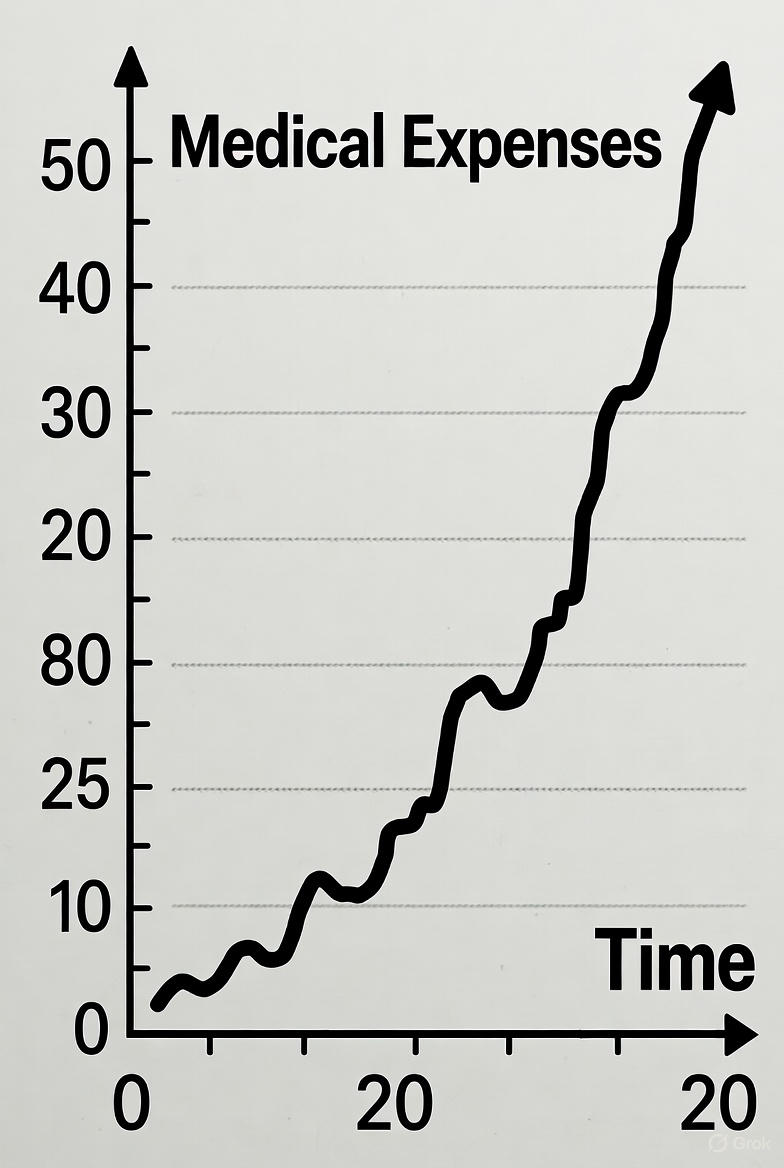
If you thought 2025’s Medicare increases were noticeable, brace yourself — 2026 is shaping up to be a year of sharper costs, slimmer benefits, and bigger decisions for retirees across Florida. Between higher monthly premiums, deductible bumps, and the slow squeeze of medical inflation, even those on fixed incomes will feel the difference. Yet it’s not all bad news: new caps on prescription costs, slightly lower out-of-pocket maximums, and stronger consumer protections aim to cushion the blow. Whether you’re in The Villages®, Tampa Bay, or Miami-Dade, now’s the time to plan ahead — because Medicare’s 2026 changes could mean the difference between a smooth ride and an expensive surprise.
What’s Changing in 2026: Key Medicare Projections
Part B (Medical Insurance)
- The standard Part B monthly premium is projected to rise to $206.50, an increase of about 11.6 % over the $185.00 premium in 2025.
- The Part B deductible is expected to increase from $257 in 2025 to $288 in 2026.
- For higher-income beneficiaries, the IRMAA (Income-Related Monthly Adjustment Amounts) surcharges are also projected to increase.
These increases reflect pressure from rising medical costs, inflation, and the fact that Medicare revenues must keep pace with spending.
Part A (Hospital Insurance)
- For those who pay a premium for Part A (because they lack the full work history), premiums are projected to increase modestly.
- The Part A deductible (for inpatient hospital stays) is projected to rise from $1,676 (2025) to about $1,716 in 2026.
- Copayments (or coinsurance) for days beyond the deductible period will also modestly increase (e.g. days 61–90, lifetime reserve days) under projections.
Part D (Prescription Drug Coverage)
- The base Part D beneficiary premium is projected to rise from around $36.78 (or similar baseline in 2025) to about $38.99 in 2026 — roughly a 6 % increase (the Inflation Reduction Act caps year-to-year increases).
- The maximum deductible for Part D will increase from $590 (2025) to $615 in 2026.
- The out-of-pocket cap (for prescription drugs) will increase from $2,000 to $2,100.
- The Premium Stabilization Program (which helps limit how much plans can raise premiums) will continue, but with adjustments: the uniform base reduction is reduced (from $15 in 2025 to $10 in 2026), and the allowed increase limit for plan premiums rises (from $35 to $50).
- Stand-alone Part D plan premiums are projected to fall, from average ~$38.31 in 2025 to ~$34.50 in 2026 (a drop of ~$3.81) after adjustments.
- For Medicare Advantage plans with integrated drug coverage (MA-PD), after rebates, the average Part D premium is projected to drop from about $13.32 to $11.50 in 2026.
Medicare Advantage & Plan Payments
- Because of coding trends and risk score adjustments, MA plan revenues are expected to grow about 7.2 % overall (i.e., above base benchmarking) in some models.
- The maximum out-of-pocket limit (for services under Parts A & B in MA plans) is actually slated to decrease slightly in 2026, from $9,350 in 2025 to $9,250.
- CMS is instituting several policy and technical changes to MA and Part D under the 2026 final rule, including changes to the Medicare Prescription Payment Plan, dual-eligible SNPs, and the drug pricing negotiation program.
- Some insurers may scale back or exit markets, though the total number of MA plans nationally is expected to drop only slightly (from ~5,633 in 2025 to ~5,600 in 2026).
Implications for Florida Beneficiaries in 2026
While the changes above are national, Florida-specific dynamics will influence how much you feel those changes:
- Plan Availability & Competition
- If insurers reduce their footprint in Florida or exit some counties, choices may narrow.
- Even with a 5% increase in payments to MA plans, insurers may adjust their networks or benefits to control costs.
- Some MA plans may reduce supplemental benefits (e.g., dental, vision, fitness) or tighten provider networks.
- Premium Exposure
- Many Florida MA plans already have $0 (or very low) additional premiums; the projected drop in MA-PD drug premiums may keep many plans affordable.
- However, the larger increase in Part B premium ($206.50 estimate) is unavoidable for all beneficiaries (unless your coverage is subsidized).
- If you have Medigap (supplemental) coverage, premiums may increase more steeply, depending on your insurer and your county.
- Out-of-Pocket Risk
- Higher deductibles and cost-sharing (for both original Medicare and MA plans) may push more of the cost burden onto beneficiaries, especially those with chronic conditions or heavy utilization.
- While the MA out-of-pocket cap is decreasing slightly, many beneficiaries never hit the maximum; mid-level users may feel more pinch.
- The increase in the Part D out-of-pocket cap to $2,100 means those with heavy medication use will pay more before reaching the “free after cap” phase.
- Income-Related Surcharge (IRMAA)
- Beneficiaries with higher income (e.g. above certain modified adjusted gross income thresholds) will see larger surcharges. If your income is near a bracket boundary, small increases in MAGI could push you into a higher IRMAA tier.
- Budget Squeeze for Fixed Incomes
- Because the Part B premium jump and deductible increase are likely to outpace many retirees’ cost-of-living adjustments, beneficiaries may see less disposable income. The Medicare premium increase is projected to absorb a significant portion of COLA increases.
What You Can Do to Prepare (Especially in Florida)
- Review your plan early: During the 2025 open enrollment period (Oct 15 – Dec 7), start comparing MA and Part D options for 2026 sooner rather than later.
- Look beyond the premium: Pay attention to deductibles, copays, provider network, formulary, access to specialists, and supplemental benefits.
- Anticipate usage: Estimate your expected doctor visits, hospital stays, medication use, and factor in the higher cost structure.
- Watch your income: If possible, manage or reduce your MAGI to avoid or lessen IRMAA surcharges.
- Consider Medigap: For those in original Medicare, shopping for a more restrictive supplemental plan earlier may lock in better rates before cost pressures mount.
- Monitor carrier behavior in Florida: Keep alerts for insurers leaving your area, benefit cuts, or network changes.
- Plan for higher out-of-pocket costs: Factor in more generous “buffer” in your budget for medical spending in 2026.
Official Government & Policy Sources
- Centers for Medicare & Medicaid Services (CMS) – 2026 Medicare Advantage and Part D Payment Final Rule
- CMS 2025–2026 Medicare Cost Fact Sheets
- Medicare.gov – Official Beneficiary Cost & Coverage Information
- Medicare Resources / HealthInsurance.org – 2026 Medicare Cost and Policy Change Summary
- And many others such as : Kiplinger, Mercer Advisors, Nerd Wallet, and Medicare Rights Center