
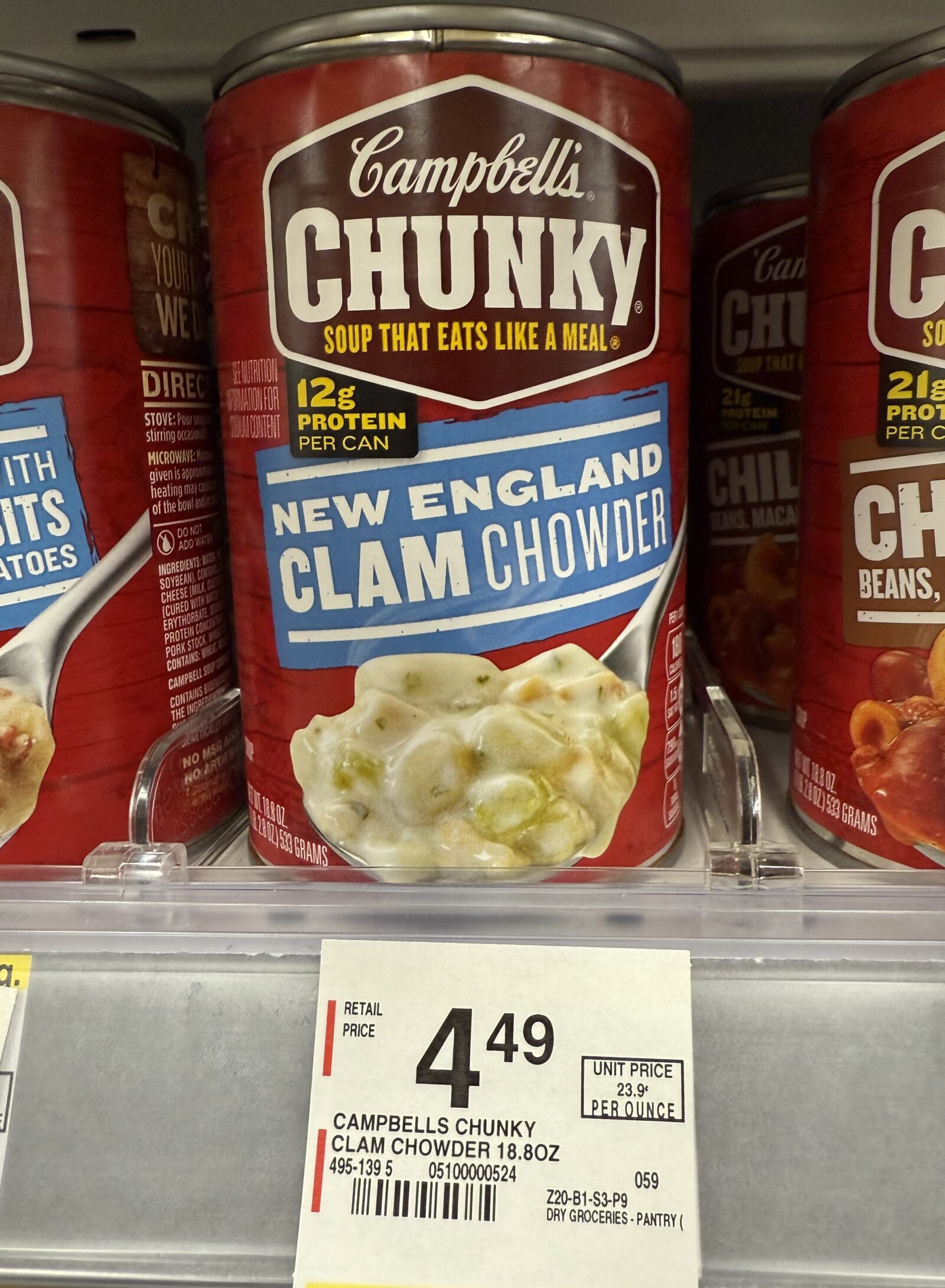
The Consumer Price Index (CPI) is often used as the standard measure of inflation in the United States. While the CPI tracks changes across a broad basket of goods and services, many Americans feel the pinch most acutely in one category: food. Over the past few years, food prices have consistently risen faster than overall CPI, creating a widening gap between what inflation “looks like on paper” and what families actually experience at the checkout line.
Food Inflation vs. CPI
While overall inflation has moderated, grocery bills continue to climb at a higher rate. Essentials like bread, meat, dairy, and produce have seen price hikes well beyond the average CPI increase. For families living paycheck to paycheck, this means that even if wages are rising modestly, those gains are quickly erased by the weekly food bill.
For example:
- Overall CPI may report increases of 3–4% annually.
- Food-at-home costs have jumped by 6–10% in some years.
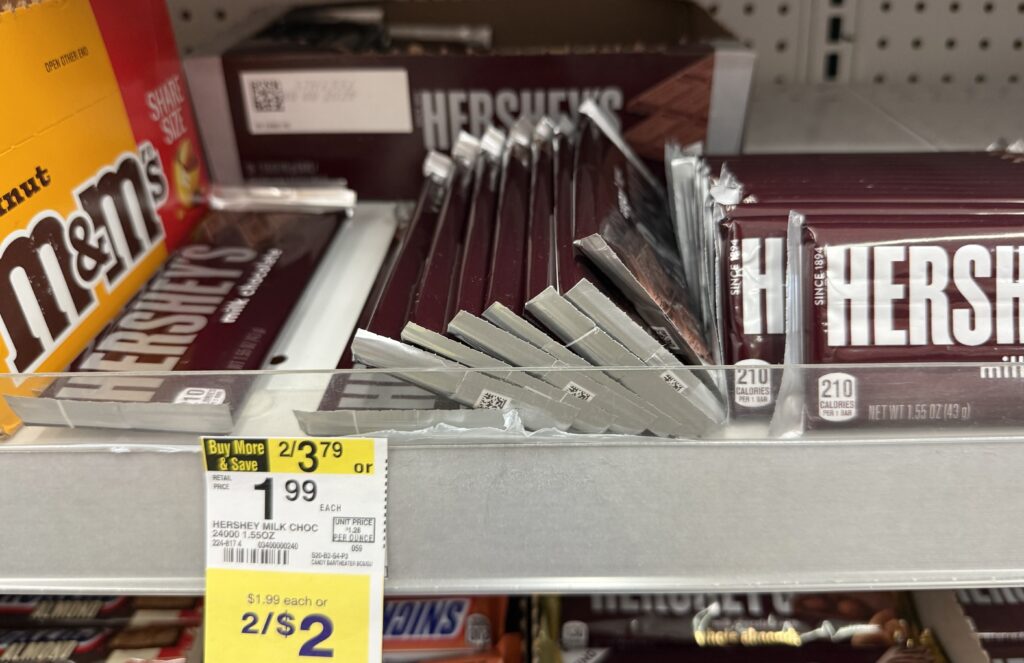
This gap creates real strain, especially for seniors, fixed-income households, and families with children. The photo below shows a $1.99 candy bar – really????
Shrinkflation: Paying More, Getting Less
Adding to the frustration is the phenomenon known as shrinkflation. Instead of raising sticker prices dramatically, many food companies have quietly reduced package sizes or portions while keeping prices the same—or even raising them slightly.
Examples include:
- Cereal boxes with fewer ounces inside.
- Ice cream cartons that used to be 1.75 quarts shrinking to 1.5 quarts.
- Snack bags filled with more air than product.
The package often looks the same, so consumers may not notice until they compare weight or volume. Over time, this results in effectively higher prices per unit, even when the shelf price seems stable.
Why It Matters
The combined effect of higher food prices and shrinkflation erodes consumer purchasing power more than CPI headlines suggest. For everyday Americans, it means:
- Budget stress. Households are forced to make tougher choices about what to buy or cut back on.
- Dietary compromises. Healthier options like fresh produce or lean proteins become harder to afford, leading some to cheaper, less nutritious alternatives.
- Trust erosion. Shoppers often feel misled by packaging changes that aren’t clearly disclosed.
The Bottom Line
Inflation may be easing in official reports, but many Americans still feel squeezed because food prices remain stubbornly high—and packaging tricks make the problem worse. Until wages, benefits, or assistance programs catch up, the “grocery gap” will continue to challenge families nationwide.
Have you noticed your grocery bill creeping up while the packages seem to be shrinking? Do you care, and how are you coping with these changes—cutting back, switching brands, or just paying the difference?